 Football Villages - Bóng đá làng và phong trào
Truyền thống ngày thi đấu: Nhịp đập của những làng bóng đá
Ở những làng bóng đá, ngày thi đấu không chỉ là chín mươi phút trên sân. Đó là cả một ngày có nhịp riêng: buổi sáng kẻ vạch, dựng lưới; trưa tụ tập ăn uống; chiều cổ vũ bên đường biên; tối liên hoan và kể lại từng pha bóng. Những truyền thống này giữ cho đội bóng sống qua nhiều thế hệ, dù ở một làng nước Anh hay một xã ở đồng bằng sông Hồng. Bài viết đi qua một ngày thi đấu điển hình và lý giải vì sao các nghi thức nhỏ lại quan trọng đến vậy.
Buổi sáng: chuẩn bị sân
Ở nhiều đội bóng làng nước Anh, tình nguyện viên đến sân từ sáng sớm để cắt cỏ, kẻ vạch vôi, treo lưới và cắm cờ góc. Không ai được trả công; đó là việc của những người yêu đội bóng, thường là các ông bố, các cựu cầu thủ đã giải nghệ.
Ở Việt Nam, hình ảnh tương tự xuất hiện trước các trận chung kết giải làng dịp Tết: thanh niên trong thôn dọn cỏ, san lấp sân, căng dây làm hàng rào, dựng rạp cho ban tổ chức và loa phóng thanh. Chính việc cùng nhau chuẩn bị đã là một phần của ngày hội.
Tụ tập trước trận
Trước giờ bóng lăn, cầu thủ tập trung ở phòng thay đồ hay nhà một thành viên. Mỗi đội có thói quen riêng: một bài nhạc quen thuộc, một lời động viên của đội trưởng, hay người nào đó luôn phải xỏ giày chân trái trước. Cổ động viên thì tụ ở quán cà phê, quán nước gần sân, bàn về đội hình và đối thủ.
Đồ ăn, trà nước và phòng sinh hoạt chung
Ở Anh, phòng sinh hoạt chung của câu lạc bộ (clubhouse) là trái tim của ngày thi đấu: trà nóng, bánh mì kẹp thịt xông khói, bánh nướng nhà làm. Tiền bán đồ ăn góp vào quỹ đội. Ở các sân lớn hơn ở châu Âu, mỗi nước có món ăn ngày thi đấu riêng, như được kể trong bài cẩm nang đồ ăn sân vận động châu Âu.
Ở Việt Nam, đó là ấm trà, gói hạt hướng dương, bánh đa, nước mía, que kem bán quanh sân. Sau trận chung kết giải làng, nhiều nơi còn tổ chức mâm cơm chung, nơi cầu thủ hai đội cùng ngồi.
Nghi thức bên đường biên
Khán giả làng bóng có những vị trí quen thuộc: góc của các cụ ông, gốc cây của nhóm thanh niên, bờ đê của trẻ con. Những tiếng hô quen thuộc, những câu trêu đùa trọng tài đã được lặp lại hàng chục năm. Ở Việt Nam, trống, chiêng và loa cầm tay là "vũ khí" không thể thiếu của đội cổ vũ.
Những nhóm cổ động có tổ chức ở các sân chuyên nghiệp nâng nghi thức này lên tầm khác với màn xếp hình, băng rôn và bài hát riêng. Bạn có thể đọc thêm về văn hóa ultras và các nhóm cổ động để hiểu điều gì thúc đẩy họ.
Giờ nghỉ giữa hiệp và vé số vui
Nhiều đội bóng làng ở Anh bán vé xổ số vui giữa hai hiệp, với giải thưởng là chai rượu, giỏ quà hay đơn giản là một nửa số tiền thu được, nửa còn lại vào quỹ đội. Trẻ con tràn ra sân sút bóng vào khung thành trống. Ở Việt Nam, giờ nghỉ là lúc loa phóng thanh đọc tên nhà tài trợ, cảm ơn người đóng góp và thông báo lịch trận tiếp theo.
Sau tiếng còi kết thúc
Hai đội bắt tay, cảm ơn trọng tài. Người thắng không quá ồn ào, người thua không bỏ về ngay; đó là quy tắc bất thành văn ở nhiều làng bóng. Sau đó là bữa liên hoan, nơi những pha bóng được kể lại, thường là phóng đại thêm qua từng lần kể. Ở Anh, đội chủ nhà thường mời đội khách vào clubhouse uống nước và ăn nhẹ.
Ở Việt Nam, lễ trao giải giải làng thường có mặt lãnh đạo xã, người cao tuổi và nhà tài trợ. Phần thưởng có khi là con lợn, bao gạo hay chiếc cúp nhỏ, nhưng giá trị tinh thần thì lớn hơn rất nhiều.
Truyền thống ở khắp nơi trên thế giới
| Nơi | Truyền thống ngày thi đấu |
|---|---|
| Anh | Trà và bánh ở clubhouse, vé số vui giữa hiệp, trận Boxing Day |
| Đức | Xúc xích nướng, khán đài đứng, hát theo nhóm |
| Tây Ban Nha | Cắn hạt hướng dương, bánh mì kẹp trên khán đài |
| Brazil | Trống, vũ điệu và bóng đá đường phố quanh sân |
| Việt Nam | Giải làng dịp Tết, trống chiêng, mâm cơm sau trận |
Vì sao các nghi thức quan trọng đến vậy
Nghi thức tạo cảm giác thuộc về. Khi bạn làm cùng một việc, ở cùng một chỗ, với cùng những người mỗi tuần, bạn trở thành một phần của cộng đồng. Với người già, đó là sợi dây kết nối với quá khứ; với người trẻ, đó là nơi học cách thắng, thua và ứng xử. Các nghi thức cũng giúp đội bóng vượt qua những mùa giải tệ: dù đội thua, người ta vẫn đến vì không khí, vì bạn bè, vì ấm trà quen thuộc.
Đó là lý do các câu lạc bộ bóng đá làng giữ được sự gắn kết của những cộng đồng nhỏ, ngay cả khi dân số giảm và người trẻ rời quê đi làm ăn xa.
Ngày nay, mạng xã hội cũng tạo ra những truyền thống mới: nhóm Zalo của đội rộn ràng từ sáng, ảnh đội hình được đăng trước trận, video bàn thắng được chia sẻ ngay tối hôm đó. Những thói quen mới này không thay thế truyền thống cũ mà giúp người xa quê vẫn theo dõi và cảm thấy gắn bó với đội bóng làng mình.
Giữ cho truyền thống sống mãi
Truyền thống không tự tồn tại. Hãy mời người trẻ tham gia việc chuẩn bị, giao cho họ vai trò thật sự. Ghi lại lịch sử đội bằng ảnh, video, treo áo đấu các mùa ở nơi sinh hoạt chung. Mời cựu cầu thủ về dự trận đặc biệt mỗi năm. Và giữ những điều nhỏ: bài hát của đội, chỗ ngồi của các cụ, bữa cơm sau trận chung kết. Chính những điều nhỏ ấy làm nên nhịp đập của một làng bóng đá.
Câu hỏi thường gặp
Clubhouse ở các đội bóng làng nước Anh là gì?
Đó là nhà sinh hoạt chung của câu lạc bộ, thường có quầy bar, bếp nhỏ và phòng thay đồ. Đây là nơi tổ chức ăn uống, họp hành và gây quỹ cho đội.
Giải bóng đá làng ngày Tết ở Việt Nam có từ khi nào?
Khó xác định chính xác, vì mỗi địa phương có lịch sử riêng. Ở nhiều nơi, giải đấu đầu xuân đã trở thành hoạt động văn hóa quen thuộc qua nhiều thế hệ.
Trận Boxing Day là gì?
Đó là các trận đấu diễn ra vào ngày 26 tháng 12 ở Anh, một truyền thống lâu đời của bóng đá Anh từ giải chuyên nghiệp đến các đội làng.
Làm sao để đội bóng phong trào xây dựng truyền thống riêng?
Bắt đầu từ những việc đều đặn: một nơi tụ tập cố định, một bài hát hay khẩu hiệu, bữa liên hoan cuối mùa, giải thưởng nội bộ. Lặp lại qua nhiều năm, chúng sẽ thành truyền thống.
Bài liên quan

10 "ngôi làng bóng đá" vĩ đại nhất trong lịch sử bóng đá thế giới
Từ Hoffenheim, Eibar đến Castel di Sangro: câu chuyện các thị trấn nhỏ làm nên kỳ tích bóng đá và bài học cho phong trào bóng đá làng ở Việt Nam.

Podcast bóng đá đáng nghe năm 2026: Hướng dẫn chọn và nghe hiệu quả
Gợi ý các dòng podcast bóng đá đáng nghe năm 2026, từ tin tức, chiến thuật đến kể chuyện, cách chọn chương trình hợp sở thích và lịch nghe cho fan Việt.
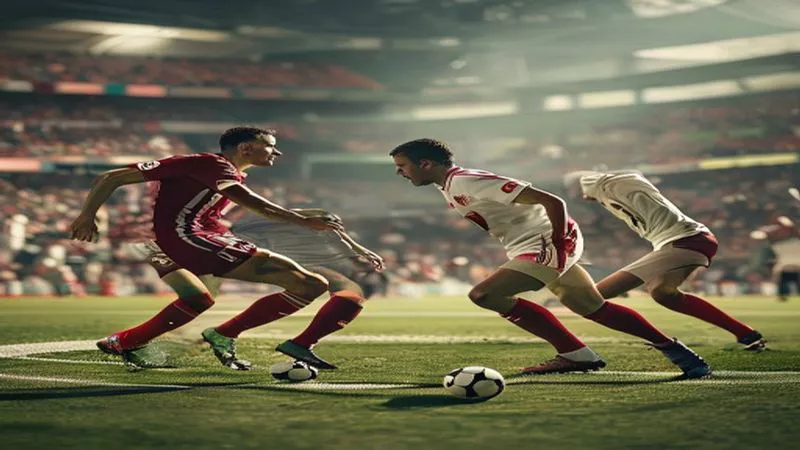
Những trận derby nổi tiếng chia đôi cả làng, cả thị trấn
Từ Old Firm, derby Merseyside đến derby xứ Nghệ: vì sao các kình địch bóng đá chia rẽ gia đình, làng xóm, và cách tận hưởng một trận derby an toàn.
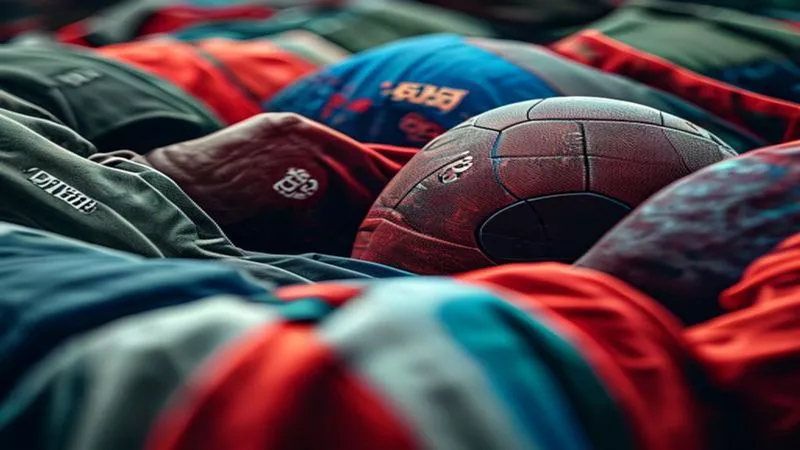
Áo đấu bóng đá như tác phẩm nghệ thuật: Trào lưu sưu tầm năm 2026
Vì sao áo đấu bóng đá trở thành đồ sưu tầm: phân biệt áo replica, áo cầu thủ và áo đã mặc thi đấu, cách nhận biết hàng giả, bảo quản và trưng bày.